Freda is an Octogenarian who reflects on her life since she was born in 1935. This is an introduction to Freda, an overview, but each week we will expand our Top 15 below to show you more information about Freda’s life over 8 decades to see how times have changed and the benefits or detriments of life now as opposed to previous decades.
Freda was born in the city and lived there until their first two children were four and two, when she and her husband moved to a country home 3 hours drive away. They bought a dairy farm and raised their two plus one children while immersing themselves into country life. They still live in the same area and in the same house and nearby live her children, grandchildren and great grandchildren which are the mainspring of Freda’s life.
The life she enjoyed prior to moving was remarkably different to the one she moved to, but she embraced both and she is fit, healthy and happy and she, along with her husband enjoy family life, the beach and gardening.
We will show you an overview this week and we look forward to discovering more about her life during the depression, war years, the post war years, the 50’s, 60s and the decades that followed until now. There is so much change in this period of time and it is important to preserve it in words for our children. So much change has occurred in just two generations from 1 car per family if you were lucky, to rations, to leaving school at 14, to raising children without power or phones to now -using the internet on your wrist – a lot to learn in a lifetime.
- Favourite Era for Clothes: “Oh the 50’s – The clothes were flattering and feminine, you wore gloves and hats to formal occasion and high heels were worn to all events. It was an elegant time of dressing including dressing up to go to town – you didn’t go anywhere in casual clothes.”
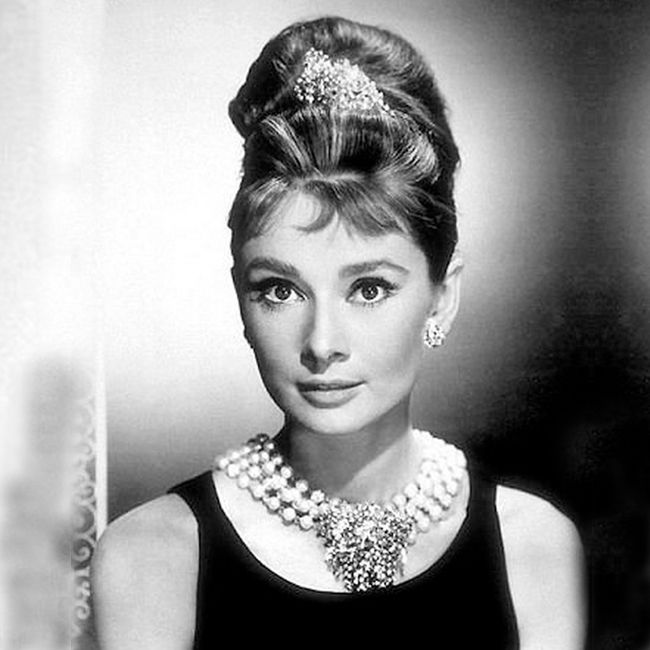
- Favourite Movie Stars: “Gregory peck and Audrey Hepburn – they were glamorous and believable.”
- Favourite Food Decade: “Now, it is more interesting, more diverse and I love the different flavours- I love good Thai flavours. I also love accessibility to good fruit but I still think you should eat the fruit in season from your country. You spend less and get better quality fruit and vegetables.
- Favourite things you miss about the past – “the innocence, the romance, the freedom, jobs seemed to be easier to get because of the growth after the war, it was a lovely decade”.
- Your favourite treats growing up: “Ice Creams were threepence and were a real treat. The theatres in the city were beautiful it was lovely to go to the ‘pictures’. Cloudland was huge, with a beautiful dance floor, big orchestras, gorgeous dresses and the men wore tuxedos and bow ties. There was no liquor allowed at the dances – you went to pre ball parties – women would have a Pimms, and men would a have a 2 or 3 beers. The men borrowed their fathers’ cars or a very few had their own – something like an Austin A40.”
- Best Invention of any decade: “The Hills Hoist, Motor Mower and Washing Machines”
- Biggest Difference between then and now: “There are so many but one of the biggest differences was there were no credit cards. If you couldn’t afford it you couldn’t get it. You could get a loan for your house but not your furniture – you made do. The baker used to come to the door. The ice man used to come to the steps. The butcher brought the meat; rabbit was a common meat along with mutton, tripe (yuk) and stewing meat. A lot of people didn’t have a phone but if you did and you made that one long distance call on Christmas Day you had to book the call in advance, and the line would beep every 3 minutes to let you know how much you had spent. With our clothes lines they were propped up with pieces of wood forked at the top and a man used to walk up the street trundling a barrow and calling ‘clothes props’ for the home owners to go out and buy them.
- Best Holiday Destination: “Christmas holidays we always looked forward to as we spent a week at the Gold Coast. You bought one chook at Beenleigh on the way for a rare treat for Christmas Dinner. There was no flash accommodation, just rental houses but we would catch up with cousins and we loved the beach so it was an exciting adventure. One day my brother and I found 10 shilling note and we worked out how we would have the perfect day on the last day of our holiday using our windfall. So, we decided if we hired a surf mat for 10 pence, have 2 swims a day not one (we could only have one a day), go skating and go to the pictures – it would be the perfect day and our parents joined us to make it happen! The roller skating floor had splinters which my father pulled out at the end of the day. “
- What do you think we miss now: “One of the big things was the freedom in the late 40’s. Parents didn’t worry what you did as long as you were back for meals. Of course we were just playing with friends, not doing anything untoward, and this was from an early age. There was not the perpetual worry about ‘baddies’ waiting for you everywhere. And we walked everywhere – petrol was still rationed so kids walked everywhere with friends – we weren’t driven unless the distance was excessive.”
- Clothing: “Rationing was in force during and after the war for most things, material, manchester, food, clothing, so clothing was all mostly home made. It didn’t matter how much money you had, if you didn’t have the coupons you couldn’t buy it Now you can buy a dress for the cost of a pattern whereas before you could make a garment a lot cheaper than you could buy. The quality of the cheaper goods in those days was not good either .
- Employment Differences – there seemed to be fewer people who needed help as people tended to help themselves. Teenagers didn’t have cars and you mostly lived with your parents until you were married. There was a lot of progress after the war and there were a lot of migrants who worked to develop Australia eg on the Snowy Mountain Scheme.
- “Politics wasn’t in the news daily like it is these days. And politics wasn’t all about the polls. Politicians worked out what was in the best interests of the people and implemented it for the country, not what was popular by watching polls. There was not the communication there is now, so to talk to their voters, Politicians held meetings in halls or on street corners or held a big meeting in the city squares.
- Women Drivers: “It wasn’t common for women to drive but my mother did. We used to go to the markets and got boxes of fruit which she shared with relatives. Horses would be outside with a nose bag on and big drays which would bring the produce. They were not like our markets today – it was just food in bags and boxes – not pretty stalls with bright enticing advertising. We children were often given a banana or a couple of grapes by the stallholders. Fuel was in very short supply so some people put their cars up on blocks until after the war.
- Raising Children: “There are so many differences but we raised our children in the country and the schools were small. Parents were very involved and took the kids to sport in their cars and often there would be a baby in a bassinet on the floor and no seat belts fitted. All children competed in sport and the teachers were often in the playground playing sport before, during and after school. There was less regulation for any activity – no fear something would go wrong. Children usually only played one sport –usually through school and uniforms were included so there was no cost to parents. There was no cost to play sport against other schools.
- Feeding the Family: Children ate what you offered, there was not the variety – food was much more basic. Our children had cereal and a cooked breakfast each and every morning, then a sandwich and a piece of fruit for lunch and meat and vegetables for dinner. Junket was a staple with dessert. Ice cream was not available in bulk cartons. On the week-ends we all played tennis and you took along a Caramel or Lemon Tart or sandwiches to share with a pot of billy tea boiled on the fire.
Thanks Freda, see you next week.